Nepal’s Cabinet Reset: Sushila Karki, Kulman Ghising, Rameshwor Khanal & Om Prakash Aryal
Khatapana
September 16, 2025 14 min read
 Reviewed by Kailash Panday, Chartered Accountant & Corporate Lawyer
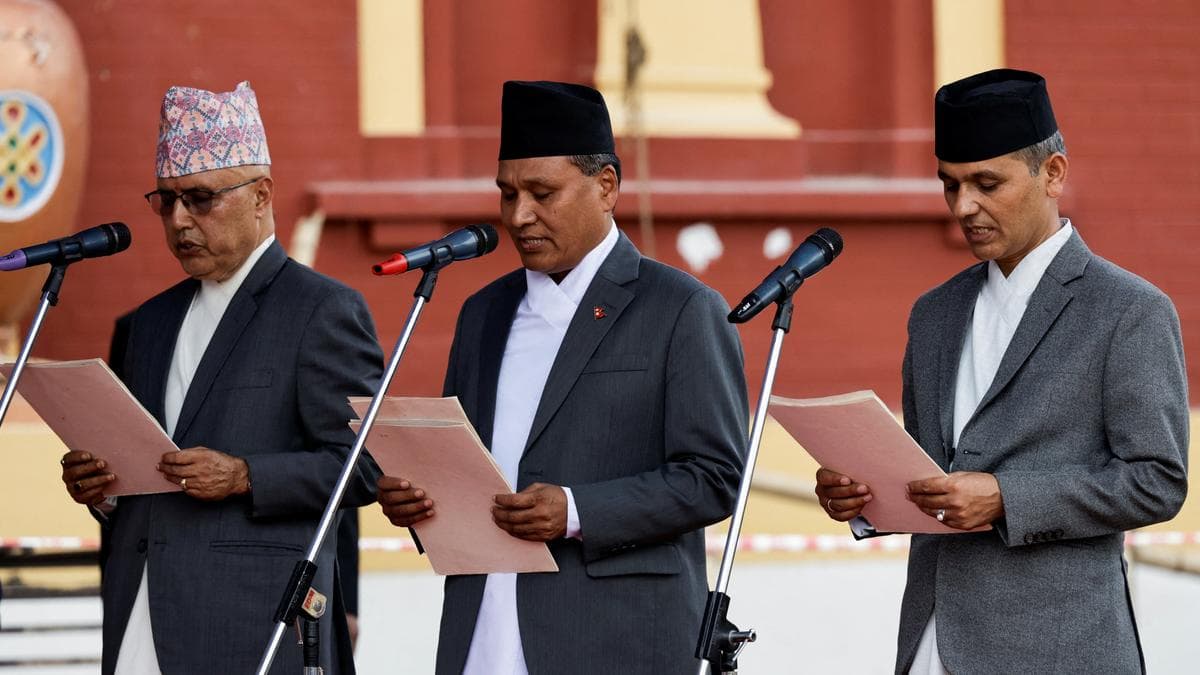
Nepal’s reset is being run by just FOUR names: Karki, Ghising, Khanal & Aryal. Here’s who they are, and why a lean cabinet might just work.
In our last piece, we broke down the extraordinary five days that shook Nepal and brought down an entire government. (If you missed it, you can read that here)
Now, let's talk about what happened after all that chaos.
Out of the whirlwind of those Gen Z protests, an interim government emerged, and Nepal has never seen anything like it. Just four people. That's it. Four individuals tasked with holding the country together, getting ready for fresh elections, and somehow, restoring a shred of trust in politics. No massive cabinet, no dozens of ministers tripping over each other's portfolios, just four names that really stood out from all the noise: Sushila Karki, Kulman Ghising, Rameshwor Khanal, and Om Prakash Aryal.
Together, these four represent law, power, finance, and justice; essentially, the very pillars that Gen Z protesters were screaming to be cleaned up. And unlike past governments, which were usually just stitched together through party horse-trading, this team was picked for their credibility, and not their connections. Big difference.
So, who are these people, really? What made them who they are? And what exactly do they bring to the table in this incredibly rare moment of national reset?
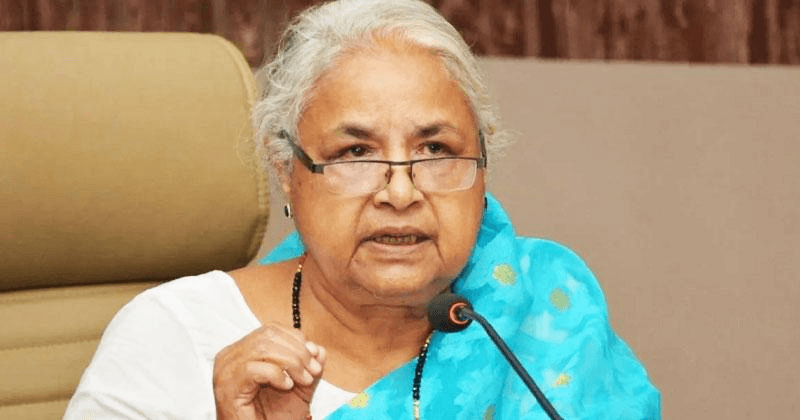
Let’s start with the Prime Minister herself; Hon. Sushila Karki.
Sushila Karki: From the Courtroom Straight to PM
On September 12, 2025, Nepal swore in its first female Prime Minister, Sushila Karki.
Now, here's the thing about Karki: she's no stranger to being a "first." Almost a decade before this, she had already smashed the ultimate glass ceiling in Nepal's legal system, becoming the nation's first female Chief Justice. And now, after a whole lot of turmoil and even some bloodshed, she's the first female PM, and her appointment is just drenched in historical significance. For a society that's been stuck in patriarchal politics and a "you scratch my back, I'll scratch yours" kind of governance for so long, Karki's ascent felt both unbelievably unlikely and, at the same time, totally meant to be.
Personal Background
Karki’s story begins in Sankarpur, Morang, today part of Biratnagar Metropolitan City. Born in 1952 as the eldest of seven children, her upbringing was modest but politically conscious. Her family maintained close ties with Bishweshwar Prasad Koirala, Nepal’s first democratically elected Prime Minister, a connection that would shape her early worldview
Educational Journey
Despite personal hardships, Karki’s academic path never wavered. She picked up her BA from Mahendra Morang Campus in 1972, moved on to a Master’s in Political Science at Banaras Hindu University in 1975, and later returned home for a law degree at Tribhuvan University in 1978
That mix of political science and law became her compass: theory sharpened her worldview, while the law gave her the tools to defend it. In a time when women’s careers were often clipped short, Karki built hers brick by brick.
Judicial Career
Her professional ascent began in Biratnagar in 1979, where she practiced law while balancing teaching duties. By 2004, she had been awarded the prestigious title of Senior Advocate, a recognition of her rising stature. Five years later, she reached the Supreme Court bench, and in 2016, history beckoned again: she became Nepal’s first female Chief Justice
As Chief Justice, Karki developed a reputation for fearlessness. She presided over cases that redefined accountability in Nepali politics. Under her gavel, sitting minister Jaya Prakash Gupta was convicted of corruption, and Lokman Singh Karki, the powerful CIAA chief accused of running a “parallel regime,” was stripped of office
Her rulings extended beyond corruption. She expanded constitutional rights by affirming Nepali women’s ability to pass citizenship to their children, a remarkable moment for gender equality. She also strengthened judicial independence at a time when political capture of state institutions was rampant
Political Struggles
But, you know, standing up to power often has consequences. In 2017, when Karki's Supreme Court overturned the government’s decision to appoint a politically favored police chief, Parliament retaliated. Nearly 250 MPs tried to impeach her, accusing her of bias and overreach.
The attempt backfired. International observers condemned the move as politically motivated, and mounting public outrage forced its withdrawal
Still, the episode underscored the peril of standing against entrenched power in Nepal.
After retiring in 2017, Karki carried on as an outspoken voice in civil society, penning critiques of corruption and supporting grassroots movements. Her writings; Nyaya (Justice), an autobiography, and Kara (Prison), a novel inspired by her 1990 pro-democracy imprisonment, cemented her role not just as a jurist but as a chronicler of Nepal’s struggles for justice.
Role in the Gen Z Movement
When Gen Z protesters flooded the streets in 2025, angry at corruption and state violence, Sushila Karki re-emerged as their north star. In a radical twist, tens of thousands of young Nepalis logged into Discord to vote for their preferred interim leader. Out of this digital assembly, Karki emerged as the consensus choice.
She embodied what the youth demanded: integrity over compromise, neutrality over partisanship, courage over cowardice. To them, Karki was living proof that Nepal could still produce leaders who stood taller than the system
Her Task as the Prime Minister
Her task now is absolutely monumental. With only six months to lead, Karki’s interim government has been entrusted with:
- Preparing free and fair parliamentary elections by March 2026.
- Investigating corruption networks exposed by the protests.
- Pursuing accountability for state repression during demonstrations.
- Restoring constitutional order and bridging the generational divide that tore Nepal apart.
Her appointment, in many ways, is less about governance and more about symbolism; a pause, a reset, a reminder that leadership can still mean principle.
Her Unforgettable Legacy
Karki’s elevation is not just a political event but a social milestone. In a nation where women have served as President, Speaker of Parliament, and Chief Justice, her premiership marks the last frontier in Nepal’s republican journey toward gender equality.
Her rise has drawn comparisons to Muhammad Yunus in Bangladesh, another reformist figure thrust into leadership during a student-led uprising
For many, it feels like Nepal’s own “Yunus moment”: the installation of a leader chosen not by elites but by ordinary citizens in crisis.
Whether her tenure brings structural change remains to be seen. But even if fleeting, her premiership signals to young Nepalis, and especially to young women, that politics need not remain the playground of entrenched parties and patriarchal traditions.
The Controversies & Criticisms
Of course, Karki’s story isn’t all sunshine. Her life and career come with baggage, and ignoring that would be unfair.
Take her husband, Durga Prasad Subedi, a fiery Nepali Congress youth leader and human rights activist. He was actually one of the men behind the 1973 hijacking of a Nepal Airlines plane. Subedi, along with three others, diverted a flight carrying NPR 4 million to finance the anti-Panchayat movement. Supporters still romanticize it as a bold act of resistance, but for others it was reckless, even criminal. Being tied to that story means Karki’s life has always been linked with political extremes, and her critics never let her forget it.
Then there’s the way she herself became Chief Justice in 2016. Yes, she made history as the first woman in the role, but the appointment came with political backing from the Nepali Congress. To some, that raised questions about just how “independent” she really was, even if her later rulings often cut against political interests.
Kulman Ghising: The Light of Nepal Turned Super-Minister
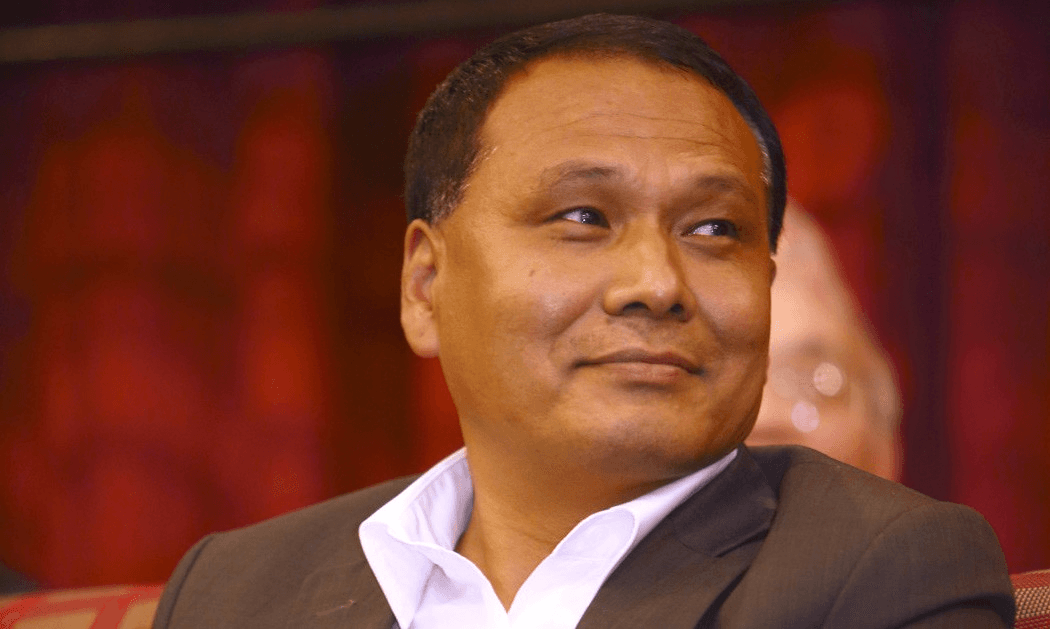
If there’s one name almost every Nepali knows, it’s Kulman Ghising. The man who once ended our infamous load-shedding crisis is back, but this time not as NEA’s Managing Director. In September 2025, Prime Minister Sushila Karki handed him not one, not two, but three ministries: Energy, Water Resources and Irrigation; Physical Infrastructure and Transport; and Urban Development
It’s basically half the country’s backbone in one man’s hands. And honestly? If anyone has the track record to manage it, it’s Kulman.
Background
Kulman’s story starts in Bethan, a small village in Ramechhap. Born in 1970 to a farming family, he grew up in the kind of rural Nepal most politicians only fly over in helicopters. His nights were lit by a tuki; a kerosene lamp that left “black smoke on his nose” while he studied
That childhood without electricity? It became the fuel for his life’s mission: to make sure no other Nepali kid had to squint under a smoky lamp to finish homework.
Education
Unlike many who climb through politics, Kulman’s rise was built on technical skill. He won a full scholarship to study electrical engineering at the Regional Institute of Technology, Jamshedpur, India. Then he returned home for a Master’s in Power Systems Engineering at Pulchowk Engineering College, followed later by an Executive MBA from Pokhara University
It’s the perfect mix: hardcore engineering know-how, systems specialization, and management chops. In other words, he wasn’t just book-smart; he knew how to run big, messy organizations.
Rise in NEA
Kulman joined NEA as a fresh engineer in 1994 and spent two decades climbing the ranks. He managed hydropower projects like Rahughat and later became MD of Chilime Hydropower, handling big projects such as Rasuwagadhi and Middle Bhotekoshi
But his real shot came in 2016, when he was appointed Managing Director of NEA. Nepal at the time was drowning in darkness, with up to 18 hours of load-shedding a day during winter. Generators had become a middle-class luxury, industries were collapsing, and NEA had piled up losses of Rs. 34.61 billion
What Kulman did next is the stuff of modern folklore. Instead of waiting years for new plants, he reformed distribution, optimized generation, cracked down on theft, and cut leakage rates from 25% to just 12%. Within months, Kathmandu Valley had light during Dashain and Tihar. By May 2018, the entire country was declared load-shedding free
Achievements
The numbers are staggering:
- Cleared Rs. 35 billion in debt within four years.
- NEA, once a loss-making entity, turned into a money machine, generating Rs. 47.41 billion in profits by 2025.
- Electricity generation shot up from 856 MW in 2016 to nearly 3,500 MW.
- 99% electrification nationwide.
- Annual consumption grew from 3.72 billion to 10.23 billion units
No wonder he earned the nickname “The Light of Nepal.”
Controversy & Removal
But Nepal being Nepal, success often paints a target on your back. In 2024–25, Kulman clashed with industries that owed over Rs. 8 billion in unpaid electricity bills from the load-shedding years. Instead of letting it slide, he pushed for collection. Powerful ministers resisted, Cabinet decisions undercut him, and accusations of “insubordination” flew.
By March 2025; just four months before his tenure was due to end, the Cabinet sacked him. Protests erupted across Kathmandu, hashtags trended, and even ruling coalition leaders called the move unfair
Return as Minister
Fast forward a few months, and the Gen Z-led movement topples the government. In the reshuffle, Sushila Karki brings Kulman back and hands him three ministries. And guess what his very first order was on Day One?
Collect those same Rs. 8 billion in industrial dues. The issue that cost him his NEA job is now the first test of his ministerial career
Vision & Legacy
Kulman isn’t a politician in the traditional sense. He doesn’t thrive on slogans or rallies. His style is technocratic; solve problems, show results, and let the work speak.
He’s described as disciplined, humble, approachable, the kind of leader who will trek out to a hydropower site instead of just reading reports. For Gen Z protesters who demanded “merit over politics,” Kulman is almost the perfect poster boy
His legacy is already set: he ended decades of darkness and proved public institutions can work if led by competent hands. The question now is whether he can repeat that magic across infrastructure, transport, and urban development.
Because if he can, then maybe Nepal’s story of broken promises is about to get a rare sequel, one where competence, not connections, leads the way.
The Criticisms & Nuance
Kulman’s return as minister is almost poetic. The fight over Rs. 8 billion in unpaid industrial dues; the very issue that got him sacked at NEA, is now the first thing on his desk. Back then, it cost him his job. Today, it’s his opening move as Energy Minister.
But even with the “Light of Nepal” tag, not everyone buys the legend at face value. Kulman didn’t conjure hydropower overnight; much of the capacity was already in the pipeline. What he did brilliantly was manage load, tighten distribution, and cut theft. In other words, he was the right man at the right time; decisive, yes, but also lucky with timing.
He’s also faced heat for selling electricity to India at low rates, with critics saying Nepal lost out while India got cheap power. His camp argues it was necessary to keep the grid stable and prove Nepal’s reliability as an exporter.
So, while Kulman is disciplined and widely trusted, his second act won’t be judged just by past glory. The very controversies that once brought him down may now decide whether he’s remembered as the reformer who proved himself again, or as the hero whose halo dimmed under scrutiny.
Rameshwor Khanal: The Principled Economist at the Helm of Finance
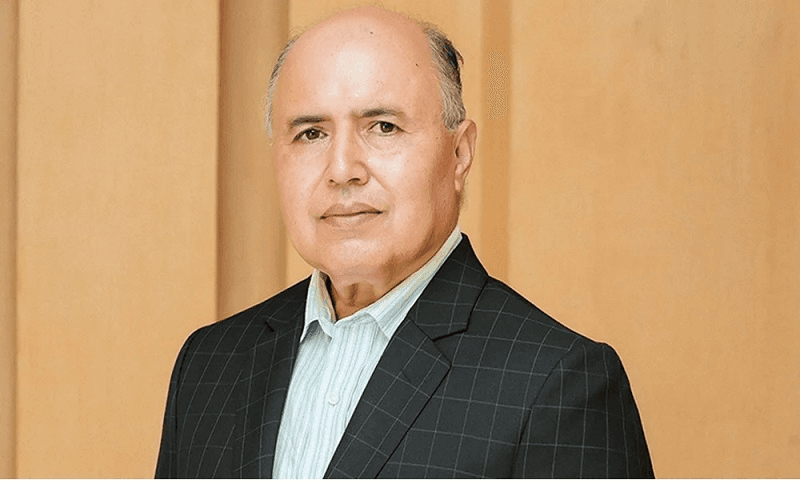
When Sushila Karki formed her four-member interim cabinet, the choice of Finance Minister raised zero eyebrows. It had to be Rameshwor Khanal. The 55-year-old veteran economist wasn’t just brought in for numbers; he was brought in for trust.
On September 15, 2025, he was sworn in as the Finance Minister. For a government born out of a movement demanding clean hands, Khanal’s reputation for integrity was the safest bet.
Background
Khanal was born in 1970 in Janakpur, into a family that valued education and service. He didn’t stumble into economics by chance; he built his career brick by brick, spending over four decades in Nepal’s economic administration
If Karki symbolizes judicial courage and Kulman symbolizes technical execution, Khanal symbolizes economic discipline.
Education
His educational path reads like the perfect prep course for someone destined to manage a country’s finances:
- B.Com from Tribhuvan University.
- MBA from Tribhuvan University.
- ACMA (Associate Cost and Management Accountant) from India on a Colombo Plan scholarship
Together, these gave him a rare mix of theory, business grounding, and hard-core accounting skills.
Civil Service Career
Khanal started small; as a District Cooperative Officer in Banke and Parsa back in the 1980s
Over time, he moved into treasury, budget divisions, and eventually climbed all the way up to Finance Secretary.
His mark was clear:
- Tax reforms that expanded the revenue base.
- Customs modernization, including drafting Nepal’s 2007 Customs Act.
- Budget reforms, like introducing the Medium-Term Expenditure Framework and international budget coding standards
At the Ministry of Finance, he became known for something rare: being brutally straightforward in a culture built on compromise.
Achievements
The results speak for themselves:
- Revenue-to-GDP ratio jumped from below 12% to 15.3% under his leadership
- He steered Nepal’s fragile economy safely through the 2008 global financial crisis.
- He cleared donor bottlenecks by starting annual aid portfolio reviews.
At a time when Nepal could have easily spiraled into crisis, Khanal was the quiet hand on the wheel.
Resignation Controversy
But like Kulman, Khanal’s honesty cost him. In 2011, he was forced out as Finance Secretary. Why? Because he refused to bend. He opposed politically motivated budgets, stood firm against tax evasion settlements, and rejected shady spending demands
The public reaction was swift: outrage, calls for reinstatement, and widespread recognition that one of the few clean technocrats had been pushed aside. His resignation became a case study of Nepal’s tragic tug-of-war; competence versus politics.
Post-Civil Service Role
After leaving the government, Khanal pivoted into academia, think tanks, and advisory roles.
He taught finance at the South Asian Institute of Management, advised prime ministers, and contributed to institutions like the Nepal Economic Forum and IIDS.
Most importantly, he chaired the High-Level Economic Reform Commission (2024–25). That body called for:
- A trust-based regulatory system instead of a control-heavy one.
- Liberalized foreign investment policies.
- Allowing Nepalis to invest abroad.
- Digital Nomad Visas
- Turning state-owned enterprises into public limited companies
In short: dismantle the old, suffocating structures and open Nepal to the world.
Ministerial Priorities
Now back in office, Khanal’s focus is as sharp as ever:
- Fiscal discipline; cutting “petty, politically influenced projects.
- Rs. 100 billion revenue mobilization through better fiscal management.
- Private sector revival, bringing confidence back to businesses that feel stifled.
- Implementing his own commission’s reforms
For a man known for refusing compromise, his challenge now is not just to plan reforms but to execute them in a deeply political environment.
Ethical Leadership
Khanal doesn’t just talk about clean politics, he lives it. He refuses ministerial perks: no extra cars, no security entourage, no “special benefits.” He even requested not to be called “Honorable/माननीय”
It might sound symbolic, but in a political culture where titles and perks are hoarded like trophies, it’s radical. And people notice. For ordinary Nepalis watching from the outside, this makes him one of the few who actually practice what they preach.
Why He Matters Now
Rameshwor Khanal is not a man of theatrics. He doesn’t give fiery speeches or thrive on populism. But at a time when Nepal’s economy is struggling with liquidity crunches, cooperative collapses, and investor distrust, his blend of technical expertise and principled leadership might be exactly what the country needs.
This isn’t his first shot at shaping policy, either. Just last year, he headed a high-level reform commission that handed detailed recommendations to the Oli government; on everything from liberalizing foreign investment to letting Nepalis invest abroad. Some of those ideas actually made it into government action, though many were left on the shelf. Now, as Finance Minister, Khanal has a rare opportunity to implement the very reforms he once only recommended.
In other words, the difference this time is power. He’s not just the adviser in the backroom anymore; he’s the one holding the pen on the budget. And for an interim government trying to rebuild trust, that mix of technical skill and long-awaited follow-through could prove invaluable.
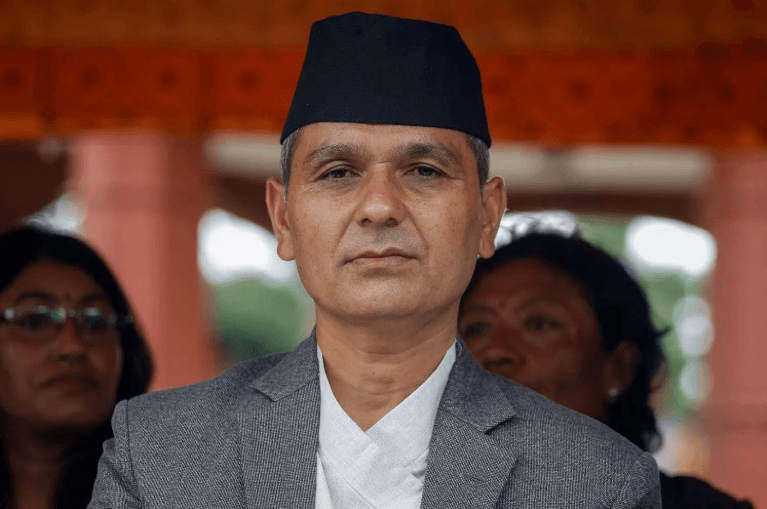
Om Prakash Aryal: The Fearless Lawyer Becomes Home Minister
When Nepal needed a Home Minister who could be trusted with both law and order, the choice fell on Om Prakash Aryal. In September 2025, he took charge of not one but two big jobs: Minister for Home Affairs and Minister for Law and Justice
For a government born out of protests led by young people, Aryal’s reputation as a straight-talking, fearless lawyer made him an obvious pick.
Background
Aryal was born in 1976 in Gulmi, a hilly district in western Nepal. His father was an Indian Army veteran, his grandfather a low-level judicial official. It was a modest household, but one where discipline and justice were part of everyday life
Interestingly, Aryal didn’t dream of being a lawyer at first. He actually came to Kathmandu in the 90s to study music. But when that didn’t work out, he joined Nepal Law Campus. What began as plan B became his life’s calling
From the Courtroom to the Streets
By the late 90s, Aryal was already practicing at the Supreme Court. This was the height of the Maoist insurgency, when people were disappearing overnight. Aryal was one of the few lawyers filing petitions to demand that the state produce the “disappeared.” It was far from glamorous and honestly, quite dangerous at the time. But it showed what kind of lawyer he was: one who didn’t back down when things got ugly
Later, while working at the National Human Rights Commission, he saw government brutality up close during the 2006 people’s movement. Those years left him convinced that democracy isn’t real if ordinary people can’t feel safe in front of the state
Taking on the Powerful
If there’s one case that made Aryal a household name in legal circles, it was his fight against Lokman Singh Karki, the all-powerful head of Nepal’s anti-corruption agency. Everyone else was scared to challenge him, but Aryal filed the case anyway. For years he fought, often alone, until the Supreme Court finally removed Karki in 2017. Many still call that verdict the end of a “parallel regime”
And this wasn’t the only time he stuck his neck out. He’s challenged governments, questioned shady land deals, and filed cases to stop politicians from handing out state benefits like they were personal gifts. In short: if something smelled wrong, Aryal was usually the guy dragging it to court
Home Minister in a Time of Pain
When Aryal became Home Minister after the Gen Z protests, his first act was more about compassion than about power. He declared a national day of mourning for the protest victims, ordered flags flown at half-mast, and promised support for grieving families.
He also vowed to hold free elections and to investigate the police violence during the protests. For young people who had lost classmates and friends, this meant more than speeches. It was the first real acknowledgment of their pain from someone in power.
Why He Matters
The easiest way to understand Om Prakash Aryal is this: he’s a lawyer who spent 25 years fighting governments, and now he is the government.
He isn’t the kind of leader who’ll sugarcoat things. He built his reputation by standing up to powerful people and institutions, often alone. And that’s exactly why Gen Z trusts him.
The big question now is whether he can take that same fearlessness from the courtroom and use it to clean up one of Nepal’s most politicized ministries. If he can, then his appointment will be transformational.
The Criticisms & Nuance
Aryal’s appointment, though widely praised, isn’t without its awkward questions. Before the dust even settled, he was already known as the Gen Z movement’s go-to legal advisor, guiding young protesters on constitutional limits, rights, and strategies. He had also been closely aligned with Sushila Karki long before either of them stepped into government.
That’s where the criticism creeps in. Lawyers are expected to advise without any intention of personal gain, yet Aryal went from advising the movement to benefiting from its outcome almost overnight. Critics say this looks uncomfortably close to a conflict of interest; that he may have guided a process knowing he himself could end up in power. Even if that wasn’t his intention, stepping into such a powerful role after serving as legal counsel feels, at the very least, ethically messy.
To be clear, no one is questioning Aryal’s credibility or decades-long track record of fearlessness in court. It's just the manner of his appointment that raises eyebrows.
Final Thoughts: Can We Turn Experiments to Blueprint?
Sushila Karki, Kulman Ghising, Rameshwor Khanal, and Om Prakash Aryal. Four names, four stories, four lives that converged in a cabinet born out of crisis. Each of them represents something Nepal has long been missing in its politics: courage, competence, honesty, and compassion.
But here’s the bigger question: can this moment be more than a six-month experiment?
Right now, Nepal’s interim government is a four-person powerhouse. Compare that to the bloated cabinets of the past, where ministries were chopped up and handed out like party favors. The difference is striking. In fact, if you look at Switzerland, one of the world’s most stable democracies, their Federal Council; the entire executive branch, has only seven members. That’s it. Seven people run a country with near-perfect efficiency, rotating leadership in a system that values teamwork over theatrics.
What if Nepal dared to do the same? A compact cabinet of a handful of ministers, each chosen for their expertise, not their party loyalty. Fewer ministries, clearer accountability, and no more musical chairs of “Honorable Ministers” who barely know their portfolios.
For now, Karki and her three ministers are writing an unusual chapter in Nepali politics, one that began not in Singha Durbar, but in the chants of protesters and the scroll of Discord chats. Whether it lasts six months or sparks a longer reform, it’s already shown us a glimpse of something powerful: what Nepal could look like if competence, not compromise, were the rule of governance.
Maybe, just maybe, the future doesn’t need 25 ministries and 40 ministers. Maybe it only needs a handful of people with the courage to do the job right.
Additional Resources:
- Gen Z Revolution in Nepal: Five Days That Changed a Nation
- Ghar Jagga in Nepal: Licensed Brokers Only — Fix or More Chaos?
- Embossed Number Plate: A Digital Dream or Just Another Headache?
- Nepal Rastra Bank Eases Rules for Sending Money Abroad
Starting a business in Nepal?
Register your company online — name reservation, MOA/AOA, PAN/VAT and OCR filings, all in one place.


Related Blogs
Subscribe to our newsletter
Get latest news and updates directly to your email.