Why NIBL Equity Partners Is Betting on Himalayan Java Coffee
Khatapana
August 31, 2025 11 min read
 Reviewed by Kailash Panday, Chartered Accountant & Corporate Lawyer
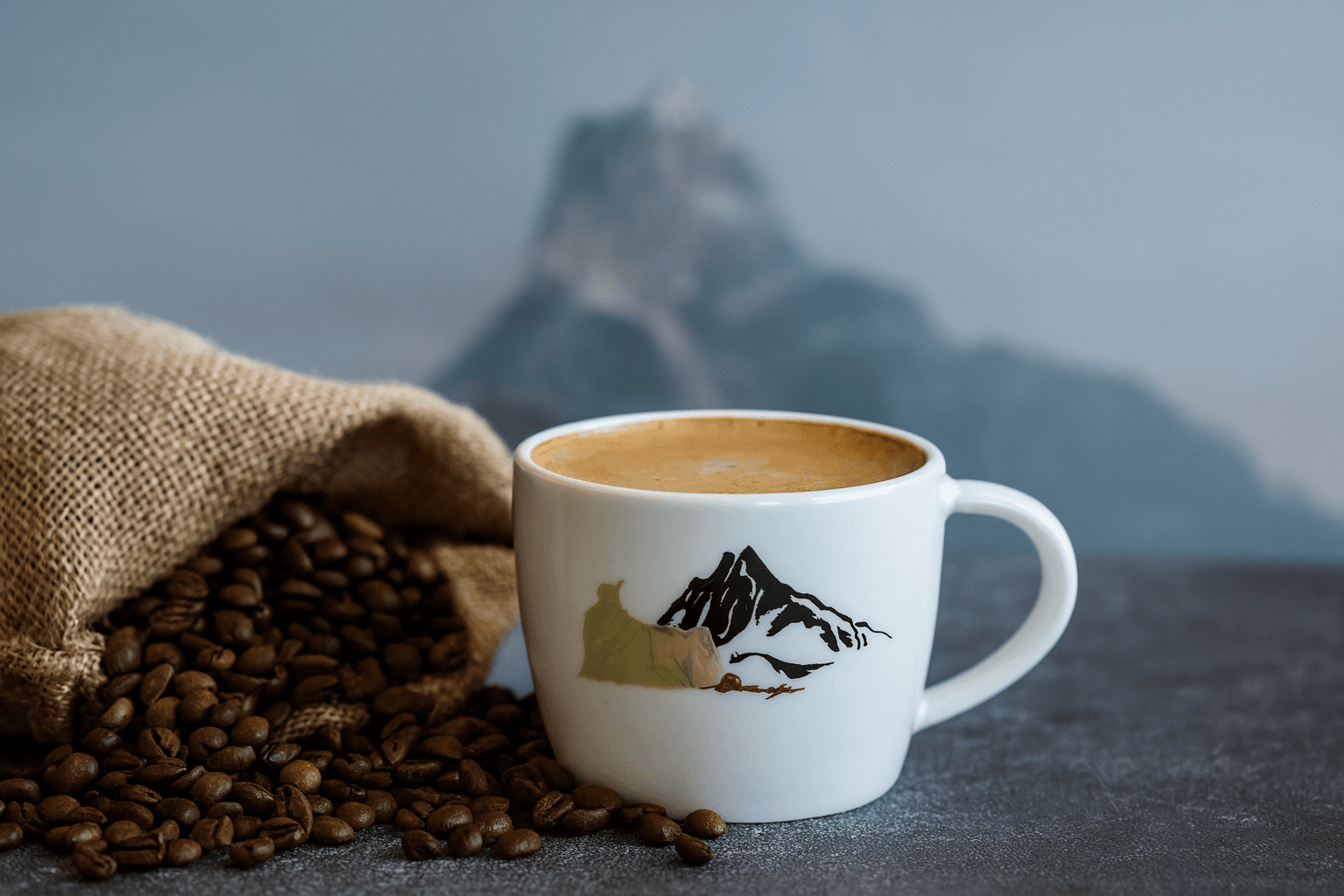
NIBL Equity Partners just bought 28.8% of Himalayan Java! Here’s why they’re betting so big on Nepali coffee.
You’ve probably read that NIBL Equity Partners has just acquired a 28.8% stake in Himalayan Java, right? But out of all the industries they could have invested in, why coffee, and why this particular café chain? That question got us curious. So we dug into Nepal’s customs data, and what we found was quite surprising. Turns out, Nepali coffee is making its way to 20+ countries, but almost all of it is exported raw, without branding or identity. No wonder NIBL saw such massive potential in taking Nepali coffee global.
In this article, we’ll break down why Nepal’s coffee industry holds so much promise, what Himalayan Java brings to the table, and the challenges that could trip them up along the way.
But before we dive into the numbers and the future, let’s take a quick look at the story behind Himalayan Java and NIBL.
The Rise of Himalayan Java: From One Cafe to a Lifestyle Brand
Every movement has a starting point, and for Nepal’s coffee culture, it began in 1999 with a small café in Kathmandu.
Humble Beginnings (1999)
Back in November 1999, long before “specialty coffee” became a buzzword in Nepal, Himalayan Java opened its very first café at Thamel, Kathmandu. At the time, Nepal was still deeply rooted in tea culture, “coffee” basically meant instant sachets, and a true coffeehouse was unheard of. Into this landscape stepped Gagan Pradhan and Anand Gurung, who decided to introduce Nepal to its first specialty café experience.
Their venture started with a modest investment of about Rs 1.3 million. Gagan brought back Nepal’s very first commercial espresso machine after barista training in the U.S., and with it, they planted the seeds of what would become a cultural movement.
The first order at Himalayan Java was ironically, not coffee at all, but a banana smoothie. Still, the café slowly found its footing, serving fresh brews to curious customers, many of whom were trying espresso for the first time in their lives.
Meet the Founders Behind the Idea
Gagan Pradhan was the true spark behind the coffee revolution. Born in Bhaktapur in 1974, he studied hotel management in Australia, where he fell in love with the small, independent cafés he frequented as a student. When he returned to Nepal, he quickly realized a 9-to-5 job wasn’t for him. Instead, he poured his savings, training, and passion into building something new: a Nepali café culture.
Anand Gurung, his co-founder, brought complementary skills to the table. Together they split ownership 50-50, combining Gagan’s creativity and barista expertise with Anand’s steady hand in operations and strategic development. More than two decades later, their partnership remains one of the reasons Himalayan Java has managed to evolve without losing its original character.
Where It Stands Today
Today, Himalayan Java operates over 70 outlets,not just in Kathmandu but across Nepal and even abroad. It’s the go-to spot for students cramming before exams, entrepreneurs hosting quick meetings, and travelers seeking a taste of Nepali beans. More than that, the brand has become a symbol of aspiration: the idea that Nepal can produce something world-class, right from its own soil.
And they’re not just staying offline either. With 23,000 app downloads, Himalayan Java is making sure the digital crowd doesn’t miss out, whether that’s ordering ahead, earning loyalty points, or just browsing the menu while daydreaming about their next cappuccino.
NIBL Equity Partners: Who They Really Are
Let’s talk about the real power player behind this deal: NIBL Equity Partners. They’re not just throwing money around for the sake of it. They’re structured, strategic, and here for the long haul.
Built for the Long Game
NIBL Equity Partners isn’t your average investor looking for quick wins. They’re set up as a Specialized Investment Fund (SIF) under Nepal’s Specialized Investment Fund Regulations of 2075. This is a 15-year fund with a target size of Rs. 10 billion, managed by NIMB Ace Capital Limited, with Nepal Investment Mega Bank as the anchor investor. And they’ve set it up with a clear timeline as well:
- 2 years to invest,
- 6 years to create value, and
- the full 15 years to complete operations.
So unlike short-term funds that look for quick exits, NIBL is built to create a lasting value in the companies it backs.
Their Investment Playbook
The fund’s minimum investment size is Rs. 100 million, which means they’re firmly in the growth-stage game. They look for companies that already have momentum, with proven track records and room to scale.
Their sector focus is broad but future-oriented with emphasis on clean energy, manufacturing, pharma, e-commerce & IT, agriculture, hospitality, education, real estate, and especially the green economy. Basically, they’re betting on the future.
And they don’t just invest in anyone. To qualify, businesses need at least three years of operating history and a clear pathway to an eventual exit. It’s their way of making sure both the company and the fund win in the long run.
Deals They’ve Backed So Far
And if you’re wondering whether they’ve been busy, the answer is yes. Their portfolio already includes some headline deals:
- Delish Dairies (July 2024): They invested Rs. 95 million to help it become Nepal’s go-to name for premium dairy. The plan includes ramping up production and even building a new cheese factory in Illam.
- Electro Power Company (December 2024): A strategic investment into a 44 MW hydropower project on the Bhotekoshi River, directly supporting Nepal’s clean energy goals.
- Himalayan Java Coffee (August 2025): Their most headline-grabbing deal yet, buying a 28.8% stake in Himalayan Java to fund South Asian expansion and boost outlet growth across Nepal.
So, when NIBL puts money behind a brand, it’s because they see the potential to scale it regionally, strengthen its fundamentals, and position it as part of Nepal’s bigger economic story.
Why Did NIBL Choose Coffee?
You might be wondering, out of all the possible industries, why did NIBL choose coffee? The answer to that is quite simple: The timing.
1. A Global Love Affair With Coffee
Globally, specialty coffee has never been hotter. Walk into a cafe in Melbourne, New York, or Seoul and you’ll find people debating single-origin beans like they’re fine wines. And guess what? Nepal has something unique to offer here; high-altitude, organic coffee grown in the Himalayan foothills. It’s a story that sells itself, especially to the global market that’s growingly hungry for authenticity. Seriously, people genuinely connect with the fact that their coffee was sourced directly from the foothills of the Himalayas, with each bean telling a unique, compelling story. It’s got all the right notes to stand alongside Ethiopian, Colombian, or Vietnamese beans. The only thing missing has been scale.
2. A Cultural Shift at Home
The coffee trend is just as strong in Nepal. More and more urban Nepali youth are lining up for flat whites, cold brews, and macchiatos, and they’re genuinely passionate about coffee as well.
Remember when 'coffee' just meant instant? It was the easy choice, no questions asked. Now, if you even whisper about it, you might get that look; a polite frown, maybe a 'Seriously? Instant coffee?' It's quite clear that coffee has changed, and with it, so have we. From instant coffee being the norm to people debating about what brew tastes the best, we’re witnessing a story of evolving tastes and the little luxuries we now find essential.
3. The Numbers Behind the Opportunity
Here’s where the story gets really interesting. Nepal is already exporting coffee, but the way we’re doing it shows just how much untapped potential there is.
In the last fiscal year (2081/82), Nepal exported a total of 63,956 kg of coffee to markets around the world. Sounds impressive? Well, 92.8% of that was raw, unroasted beans with little value added. So basically, we’re shipping out sacks of green coffee with almost no branding, no packaging, and no identity attached. Once those beans leave our borders, they’re roasted, packaged, and marketed by someone else, and they get all the credit (and profit).
Just look at the numbers:
- Germany imported 27,982 kg of Nepali coffee.
- Japan followed with 17,604 kg.
- The UK, Switzerland, and the Netherlands each bought several thousand kilos.
- In total, our coffee reached 21 countries last year.
Not bad for a small nation, but think about it; people around the world are drinking Nepali coffee without even knowing it’s Nepali. That’s the tragedy, and the opportunity.
This is exactly where Himalayan Java comes in, and why NIBL saw something bigger than just another cafe chain. Imagine if even half of that coffee was roasted, branded, and exported as “Himalayan Java Coffee” instead of anonymous raw beans. Seriously, Nepal could turn into a global brand. And eventually, farmers could earn more, the country could earn more, and consumers could finally connect the coffee in their cup to the hills it came from.
That’s the potential this partnership is about. It’s about making sure the world knows that when they sip Nepali coffee, they’re tasting the authenticity of the Himalayas.
So, when NIBL looked at where to place its bet, coffee was the perfect option. It was the obvious answer.
What This Means for Himalayan Java
Now, let’s circle back to the brand we all know and love. What does NIBL’s investment actually mean for Himalayan Java? In one word: scale.
1. Scaling at Home and Abroad
With NIBL’s investment, expect to see more cafes opening up; not just in Kathmandu, but in cities like Pokhara, Butwal, and Dharan where the urban population is growing. Beyond Nepal, Himalayan Java has its eyes set on South Asia, with plans for outlets in India, Bangladesh, and Sri Lanka. That’s a huge leap from being “Nepal’s favorite cafe” to becoming a true regional player.
In fact, Himalayan Java has been on quite the expansion spree lately. Over just the past couple of years, new outlets have popped up across Nepal, boosted by the launch of a low-cost franchise model called Mokka, now rebranded as Himalayan Java Express. The idea is simple; they wanted to make it easier for franchise partners with smaller budgets to get on board, and in turn push the brand into secondary cities and semi-urban areas. It also feels like a smart pre-investment play, scaling up quickly to drive up valuation before big players like NIBL come in.
2. Turning Exports Into a Brand
Exports are where the game could change entirely. In FY 2081/82, Nepal exported coffee worth over Rs. 114 million, but, as we’ve already talked about it, the majority of it left the country as raw beans. With NIBL’s backing, Himalayan Java can flip that script by roasting, packaging, and branding coffee before it ever leaves Nepal. Just imagine walking into a supermarket in Singapore or Dubai and spotting a sleek bag of Himalayan Java Coffee with “Proudly Nepali” written across it. That’s the vision.
3. Going Digital, Going Premium
And let’s not forget digital. Himalayan Java already has over 23,000 app downloads, but that’s just the start. With NIBL’s resources, we could see major upgrades: smoother delivery systems, loyalty programs that feel genuinely rewarding, and new digital touchpoints that keep customers engaged even when they’re not in a café.
4. Becoming a Lifestyle Brand
Put it all together, and Himalayan Java is on track to transform from a coffee chain into a premium Nepali lifestyle brand. It’s not just about coffee anymore; it’s about carrying Nepal’s story in every cup, whether it’s sipped in Kathmandu, Colombo, or New York.
In short, NIBL’s investment gives Himalayan Java the runway to think bigger than ever before. More cafés across Nepal, a stronger presence in South Asia, branded exports on international shelves, and a polished digital experience all point to one thing: the evolution of Himalayan Java into a global lifestyle brand. And if they succeed, it’ll be a proud moment for Nepal’s identity on the world stage.
Crunching the Numbers: What’s Himalayan Java Worth?
So, how much is Himalayan Java actually worth? Let’s do some back-of-the-napkin math.
Himalayan Java has more than 70 cafés and serves about 2,300 customers a day. Now, let’s assume each customer spends about Rs. 1,000 (a coffee and maybe a snack). Multiply that out over 365 days, and you’re looking at an annual revenue of roughly Rs. 839.5 million, about $5.9 million USD. Not bad for a brand that started with one café and a single espresso machine.
Of course, revenue is only half the story. Specialty coffee chains in emerging markets like Nepal typically run with an EBITDA margin of around 15% (Most café chains around the world keep about 15% of sales as profit after covering salaries, rent, coffee beans, and other costs), apply that here, and Himalayan Java’s estimated annual EBITDA lands at Rs. 126 million.
Now comes the big question: how do you turn that profit number into a company value? A simple rule investors use is something called a “multiple.” In the world of growth-stage F&B brands, especially in emerging markets, a multiple of 8 times profit is considered reasonable. Multiply Rs. 126 million by 8, and you get a total company value of around Rs. 1 billion; roughly $7.1 million USD.
And that brings us back to NIBL’s 28.8% stake. Based on these numbers, their share would be worth around Rs. 288 million, or ~$2 million USD.
(NPR–USD conversions calculated at 1 USD = 140.68 NPR, as of Sept 1, 2025.)
Now, let’s be clear: this is a conservative ballpark. Of course, valuations are not just about math. They’re also about belief in the brand, its growth story, and where it can go next. But this quick calculation shows why NIBL got interested: a company already making serious money, with room to grow much bigger if it goes global.
But, this math assumes that all 70 outlets are running at full capacity. In reality, many newer outlets; roughly half of them, tend to operate at only 30% capacity as they build a customer base. Once you factor that in, the more realistic valuation drops closer to Rs. 650 million instead of Rs. 1 billion.
So the takeaway here is: NIBL’s investment is essentially a $2 million bet that Nepal’s leading café brand can scale beyond borders and capture far more value through exports, franchising, and branding.
Private Equity and Nepal’s Business Landscape
So, why should anyone outside the coffee world care about this deal? Well, it's about something bigger: the way businesses grow in Nepal.
Think of it this way: if you're a Nepali company with big dreams, getting serious money to expand has always been tough. Unlike places like the US or India, where investment funds are plentiful, Nepal's financial market is pretty small. Most businesses either have to go public (which is a huge step) or constantly ask banks for loans, and neither is ideal for rapid growth.
That's why NIBL Equity Partners stepping in here is such a big deal. It signals that private investment is alive and kicking in Nepal, and it’s willing to back brands we all know and love. In many ways, NIBL is jumping into a gap, becoming that crucial boost for companies when other ways to get money just aren't there yet.
Of course, it's not all smooth sailing. There are still bureaucratic rules and regulations that make it harder for these investment funds to do their job, and selling off investments later isn't always easy because our stock market isn't as developed. But despite those hurdles, this deal shouts confidence. NIBL is essentially saying, 'We believe in Nepal's customers and its homegrown brands.' And if they're right, it's not just Himalayan Java that benefits; it gives the whole idea of private investment in Nepal a serious shot of credibility
Challenges Ahead
That said, let’s not sugarcoat it. Scaling coffee isn’t as simple as opening more cafes. For Himalayan Java and NIBL, the road ahead has its fair share of hurdles.
1. Globally, the Competition is Fierce
Starbucks is in every corner of India, and local brands are fighting tooth and nail for market share. Breaking into those markets means Himalayan Java will need more than just good beans; they’ll need razor-sharp branding, efficient operations, and a story that connects with international customers.
2. Supply-Side Limitations
Consistency is a real headache. Nepali coffee production is still small compared to giants like Brazil or Vietnam. Scaling without compromising quality will require heavy investment in farmer training, cooperatives, and sustainable practices.
3. Preserving Authencity
And then there’s authenticity. The charm of Himalayan Java has always been that it feels rooted in Nepal, not like a copy-paste version of a Western chain. As the brand grows with NIBL’s backing, keeping that “soul” intact while expanding aggressively will be one of the toughest balancing acts.
At the end of the day, the hurdles are real, but so is the opportunity. If NIBL and Himalayan Java can navigate the competition, strengthen the supply chain, and hold on to the authenticity that made the brand special in the first place, we could see some amazing growth.
Final Thoughts
The partnership between NIBL and Himalayan Java marks a turning point for Nepal’s coffee industry. A private equity giant is backing a homegrown café brand with the capital and confidence to expand across borders, scale exports, and refine its digital presence. That in itself signals a new era where Nepali businesses can aspire to compete both regionally and globally.
Our coffee leaving without branding or identity is a major problem right now, and this investment could change all that.This investment could change all that, letting us brand our coffee the way it deserves.
Sure, the road ahead isn't easy. The global market is tough, our local production needs to catch up, and keeping that authentic touch while growing so fast will be a balancing act. Yet, the groundwork is solid. We have a brand that virtually defined café culture here at home, now with a financial partner genuinely invested in its global future.
If the partnership succeeds, Nepal will be recognized for exporting a premium lifestyle brand that carries pride, culture, and ambition with every cup.
Additional Resources
Starting a business in Nepal?
Register your company online — name reservation, MOA/AOA, PAN/VAT and OCR filings, all in one place.


Related Blogs

Subscribe to our newsletter
Get latest news and updates directly to your email.