How the US Fed Rate Cut Impacts Nepal’s Economy: What It Means for Your Wallet
Khatapana
December 19, 2024 4 min read
 Reviewed by Kailash Panday, Chartered Accountant & Corporate Lawyer
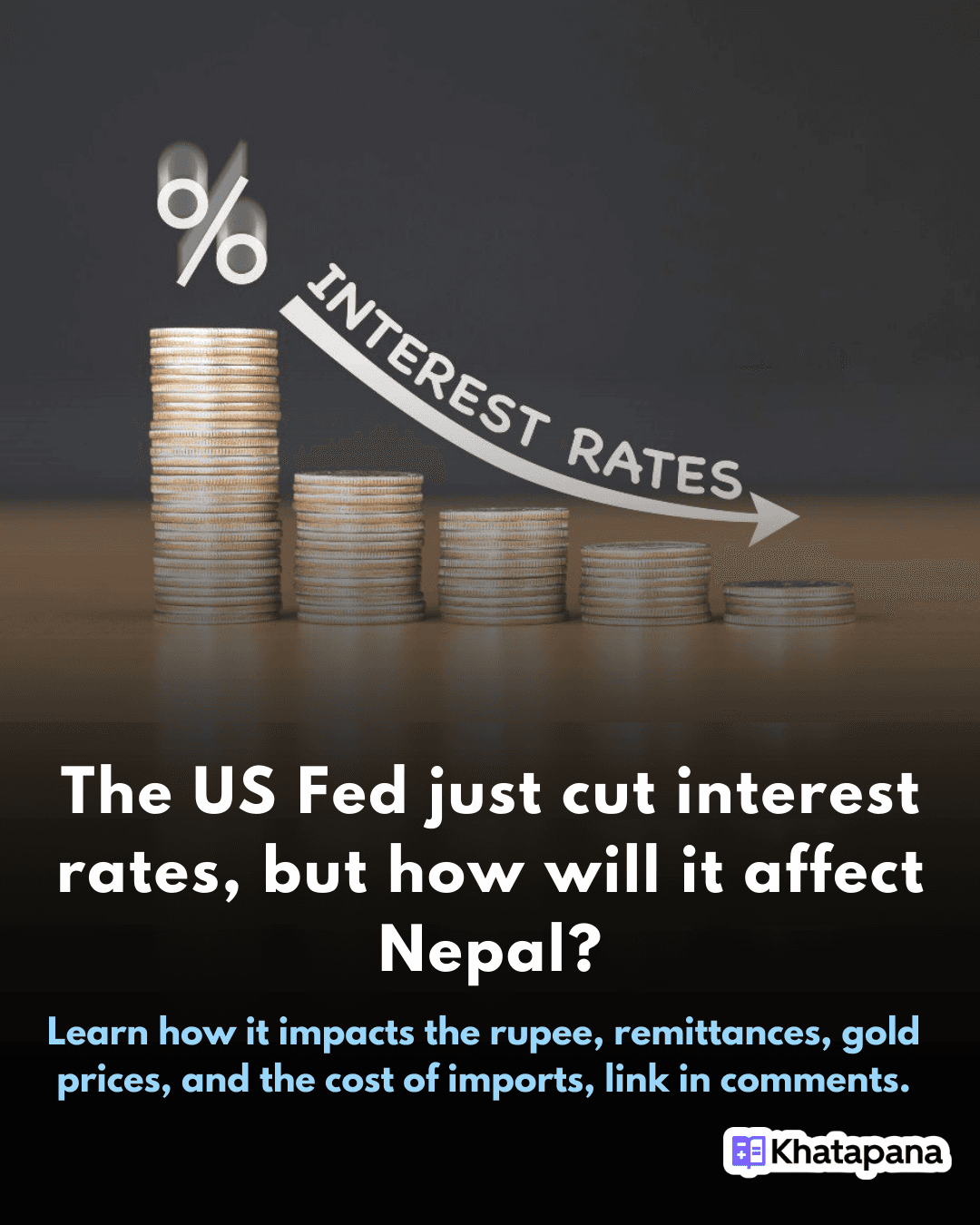
When you hear about the US Federal Reserve cutting interest rates, it might seem like a distant event, relevant only to Wall Street or big global markets. But what if I told you that this decision could affect your daily expenses, gold prices, remittance value, and even the price of essentials in Nepal?
The US Federal Reserve (the “boss bank” of the world’s largest economy) has just reduced its interest rate by 25 basis points, bringing it to a range of 4.25% to 4.50%. While this decision is meant to boost the US economy, its ripple effects are being felt far beyond American borders — including here in Nepal.
So, how does the Fed’s move impact Nepal’s economy, your daily budget, and even your gold purchase plans? Let’s break it all down in simple terms.
What Did the US Fed Do?
The US Federal Reserve (often called "the Fed") controls the cost of borrowing money in the US by adjusting interest rates. When it cuts rates, loans for businesses and individuals in the US become cheaper. The goal? Stimulate the US economy by encouraging more borrowing, spending, and investment.
But what happens in the US doesn’t stay in the US. The Fed's rate cut sends shockwaves across the global financial system, impacting currencies, gold prices, remittances, and even the cost of everyday goods in Nepal.
Key Point: When the US interest rate drops, global investors look for better returns elsewhere, and that’s where things get interesting for Nepal.
How Does the Fed Rate Cut Affect Nepal?
Here are the four biggest ways this rate cut could affect Nepal’s economy, consumers, and businesses.
1. The Exchange Rate: Will the Rupee Get Stronger or Weaker?
Since the Nepali rupee (NPR) is pegged to the Indian rupee (INR), any shift in the value of the USD affects both the INR and NPR. Here’s what happens:
- When the US rate goes down, the US dollar weakens because it becomes less attractive to global investors.
- This could strengthen the rupee (both INR and NPR) relative to the dollar, making imports cheaper but hurting exports.
Impact on Nepali Exports:
If the Nepali rupee gets stronger, Nepal's exports like carpets, tea, and handicrafts become more expensive for international buyers, reducing demand. This could hurt local producers and exporters who depend on competitive pricing to sell abroad.
Impact on Imports:
A stronger rupee makes imported goods (like electronics, machinery, and consumer products) cheaper, which might be good for consumers. However, the downside is that it could hurt local businesses that compete with imported goods.
What to Watch: Keep an eye on the USD to NPR exchange rate. If the rupee strengthens, you may pay less for imported products, but exporters may struggle.
2. Remittance Flow: Will Families in Nepal Receive Less Money?
Nepal’s economy is heavily dependent on remittance inflows — the money Nepalis working abroad send home. In fact, remittances make up about 25% of Nepal’s GDP.
Here’s the connection:
- If the US dollar weakens, remittances sent from the US to Nepal are worth less when converted to rupees.
- For example, if your family member sends $1,000 from the US, you might receive fewer rupees than before due to the weaker dollar.
Impact on Households:
With lower remittance value, households that rely on these funds for daily expenses (groceries, tuition fees, healthcare) may face financial strain. This is especially important for families that depend on dollar-denominated remittances from the Gulf, Malaysia, or the US.
What to Watch: If you rely on remittances, track the USD to NPR exchange rate. If the dollar weakens, plan your expenses accordingly.
3. Gold Prices in Nepal: Why Gold Just Got Pricier
If you’re planning to buy gold for a wedding, festival, or investment, get ready for higher prices. Here’s why:
- When US interest rates fall, investors start looking for "safe-haven" assets like gold.
- This increased demand for gold causes its global price to rise.
- Since Nepal imports most of its gold, gold prices in Nepal will also rise.
Impact on Consumers:
Gold is a popular asset in Nepal for weddings, religious festivals, and as an investment. If you’re planning to buy gold soon, it’s smart to budget for higher prices.
What to Watch: Keep an eye on international gold prices and Nepal’s gold rates. If rates are rising, consider making purchases sooner rather than later.
4. Borrowing Costs: Will Loans Get Cheaper or Costlier?
The US Fed rate cut also has a knock-on effect on global borrowing costs, particularly for loans denominated in USD. If Nepal has dollar-denominated loans (for government projects or corporate funding), the cost of servicing this debt could go down.
But here’s the catch:
- If the Nepali rupee weakens, it takes more rupees to repay a dollar-denominated loan, effectively increasing repayment costs.
- This could put pressure on foreign exchange reserves if the government or big corporations have to buy more USD to pay off loans.
What to Watch: The direction of the USD to NPR exchange rate will determine whether it’s good or bad news for borrowers.
What About Nepal’s Stock Market?
Nepal’s stock market (NEPSE index) is not as connected to global markets like the Sensex or Nifty, but it’s not completely isolated either. If international investors start moving money from global markets to emerging markets, liquidity could increase in Nepal's stock market.
That said, the NEPSE index is still influenced more by local political stability, government policies, and investor sentiment. The Fed’s decision might cause small fluctuations, but the big drivers remain domestic issues.
What to Watch: Track how global capital flows shift, but focus more on local news, policies, and economic reforms.
What Should You Do? Key Takeaways for Nepali Consumers
Here’s a quick checklist to protect your wallet and stay ahead of the changes.
- Track Exchange Rates: If the rupee strengthens, you’ll pay less for imported goods but could face higher costs for exports.
- Gold Buyers, Be Ready: Gold prices are likely to rise. If you’re planning to buy, act early or wait for stability.
- Remittance Watch: If you rely on remittance payments, expect the amount you receive in rupees to shrink if the dollar weakens.
- Plan Borrowing Carefully: If you have USD loans or need foreign currency for big purchases, consider locking in rates early.
Final Thoughts
The US Fed rate cut might seem like an event only relevant to Wall Street, but as we’ve seen, its effects reach all the way to Nepal. From the value of the rupee to gold prices and even the amount of remittance you receive, global events have local consequences.
The key is to stay alert. By understanding the connections between the Fed’s moves and Nepal’s economy, you’ll be able to make smarter decisions—whether it’s buying gold, managing remittances, or tracking the rupee's value.
What do you think? Will the US Fed's rate cut benefit or hurt Nepal's economy? Drop a comment below and share your perspective.
Starting a business in Nepal?
Register your company online — name reservation, MOA/AOA, PAN/VAT and OCR filings, all in one place.


Related Blogs

Subscribe to our newsletter
Get latest news and updates directly to your email.